
EURUSD
- EUR/USD Price: The EUR/USD is posting modest gains near 1.1520 during early European trading. The move reflects a slightly softer USD tone as markets begin the week with cautious optimism.
- Ceasefire talks: Reports from Bloomberg, citing Axios, suggest discussions around a potential 45-day ceasefire between the US and Iran. Easing geopolitical tensions reduce demand for the USD as a safe haven, offering support to the euro.
- ECB stance: Christine Lagarde and other members of the European Central Bank continue to emphasize that policy will remain tight until inflation returns sustainably to 2%. This reinforces a relatively hawkish stance, supporting the Euro.
- Labor market: Recent data suggests US labor market conditions remain stable, though risks from prolonged geopolitical tensions persist. This keeps the Federal Reserve in a cautious position regarding future policy moves.
- US Services: Markets now turn to the ISM Services PMI release, which could provide fresh insight into US economic momentum. A stronger reading may support the USD, while weaker data could extend EUR/USD gains.
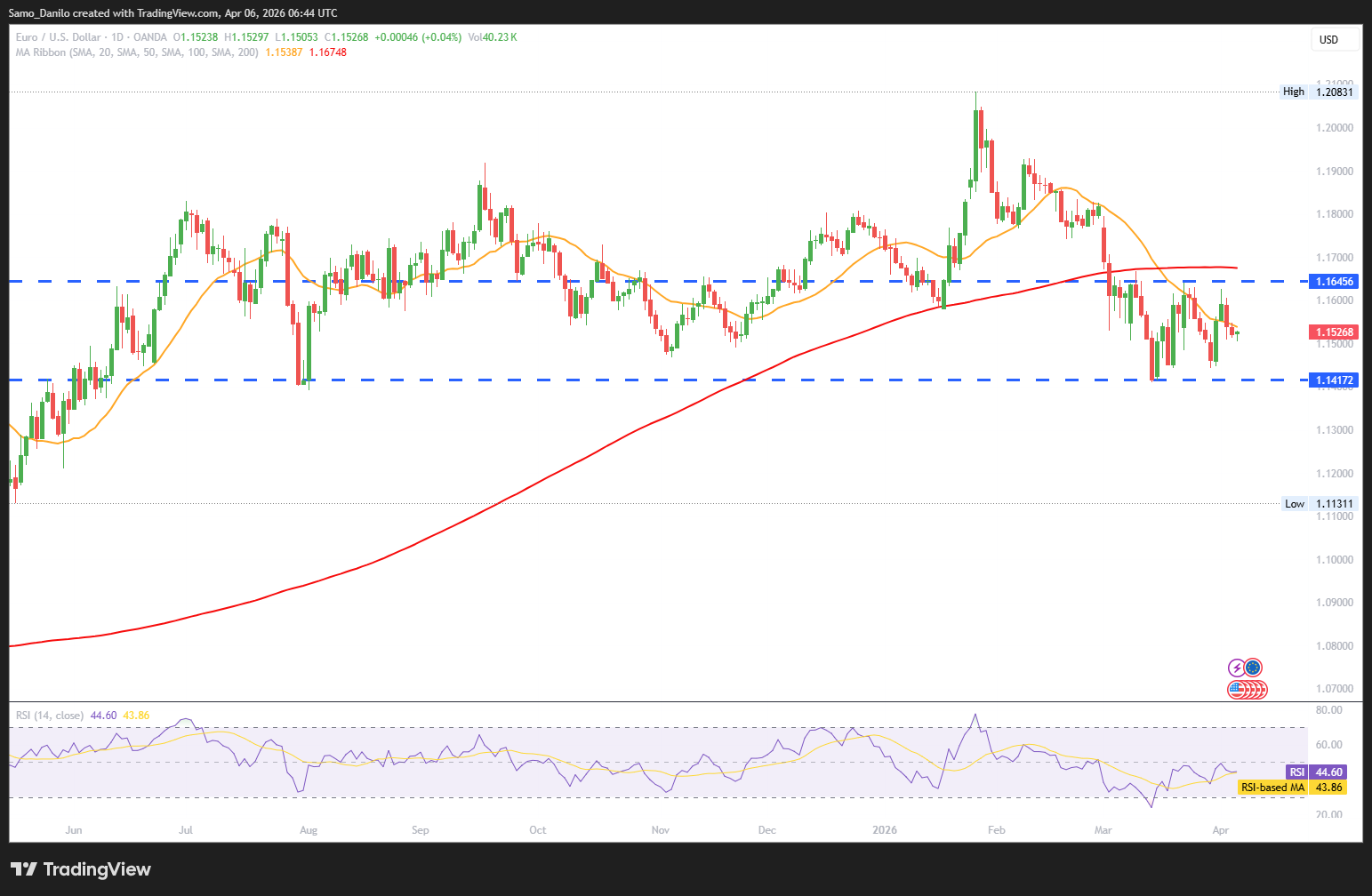
| SMA (20) | Falling |  | |
| RSI (14) | Slightly Falling | |
|
| MACD (12, 26, 9) | Slightly Falling | |
Closing statement: EUR/USD is modestly supported by easing geopolitical tensions and steady ECB messaging, though upcoming US data will be key in determining the pair’s next move.
GBPUSD
- GBP/USD Price: The GBP/USD found support near 1.3150 and is attempting to recover, snapping a two-day losing streak. This suggests buyers are stepping in at lower levels, though momentum remains fragile.
- UK energy: The Pound remains under pressure due to the UK’s reliance on energy imports. Rising geopolitical tensions increase the risk of higher energy costs, which could worsen inflation and strain already fragile public finances.
- Geopolitical escalation: Donald Trump has intensified pressure on Iran, setting a deadline to reopen the Strait of Hormuz and threatening further escalation. Such developments increase global risk aversion and typically support the US Dollar.
- Iran retaliation: Iranian officials signaled that any attacks will be reciprocated, including targeting US-linked infrastructure. Continued closure of the Strait of Hormuz reinforces fears of prolonged disruption in global energy supply.
- NFP number: Data from the Bureau of Labor Statistics showed the US added 178,000 jobs in March, well above expectations. Strong labor data underpins USD strength and limits GBP/USD upside.
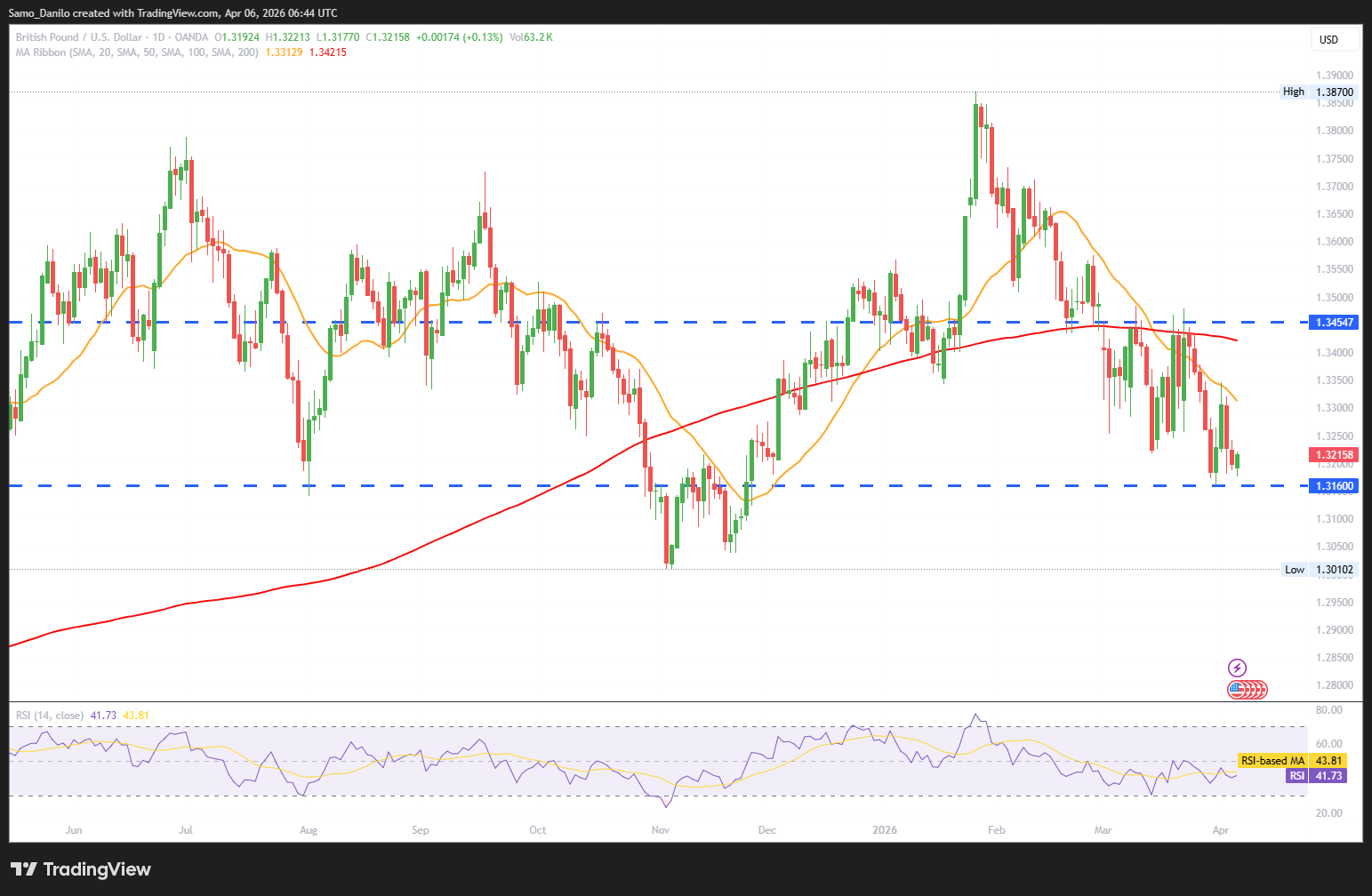
| SMA (20) | Falling | | |
| RSI (14) | Slightly Falling | |
|
| MACD (12, 26, 9) | Falling | | |
Closing statement: GBP/USD is seeing a modest technical rebound, but persistent geopolitical risks and strong US data continue to favor the Dollar, keeping the broader outlook tilted to the downside.
XAUUSD
- XAU/USD Price: The XAU/USD has managed to defend the $4,600 level after a bearish opening gap on Monday. This resilience suggests underlying demand remains intact despite recent selling pressure.
- Geopolitical news: Warnings from Ali Akbar Velayati about potential threats to the Bab el-Mandeb Strait highlight the risk of broader disruptions to global trade routes. Expanding geopolitical tensions continue to support gold’s safe-haven appeal.
- US focus: Donald Trump outlined a massive $2.164 trillion discretionary budget plan, including increased defense spending and potential privatization of the TSA. Such fiscal expansion could have longer-term inflationary implications, indirectly supporting gold.
- Fed news: A US federal judge reaffirmed a decision protecting Jerome Powell from subpoenas, while Kevin Warsh is set for a Senate confirmation hearing. Ongoing developments around the Federal Reserve leadership add uncertainty to monetary policy expectations.
- US Services: Markets await the ISM Services PMI release for further direction, though liquidity remains thin due to the Easter Monday. Any surprises in US data could trigger outsized moves in gold.
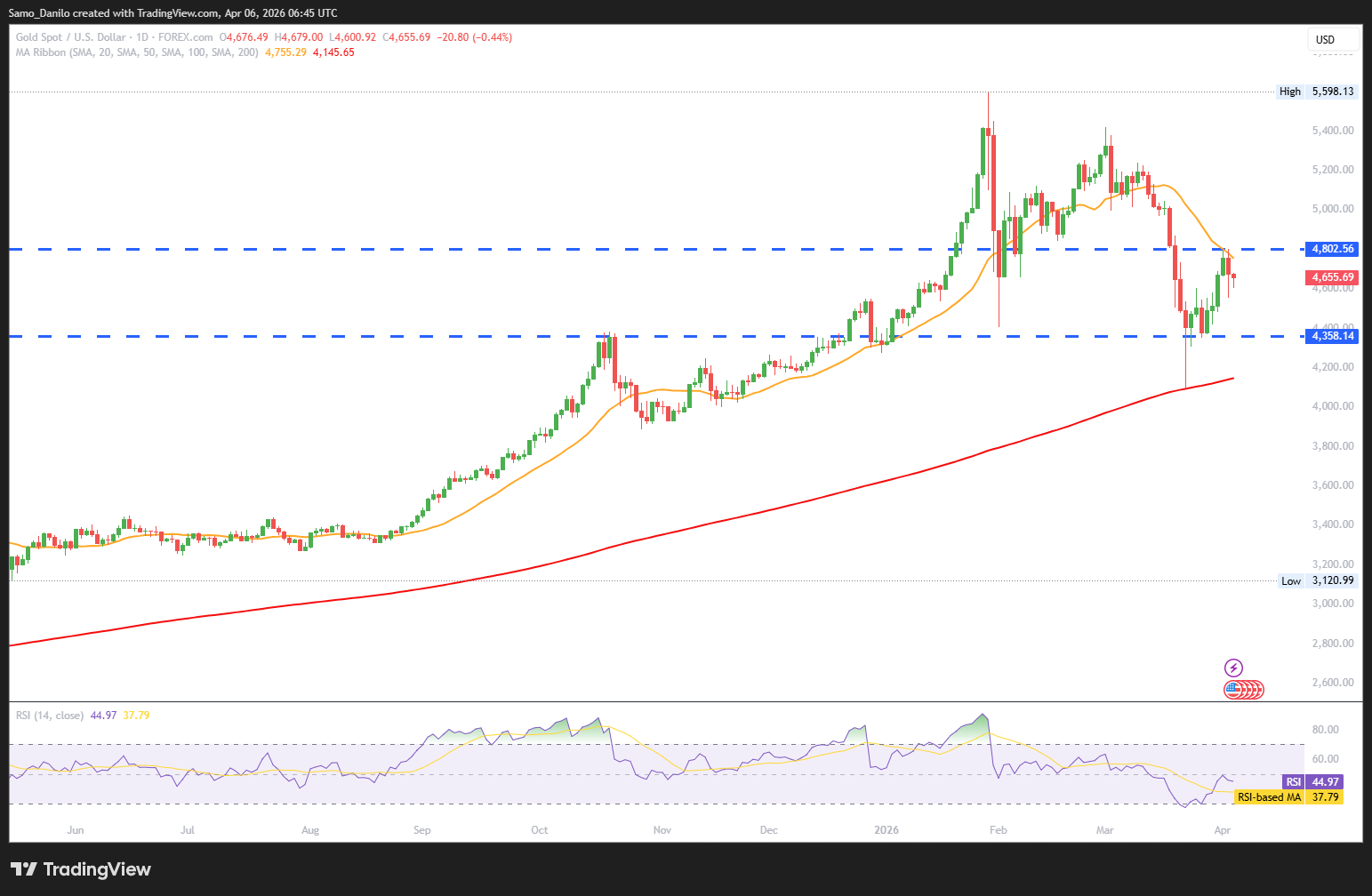
| SMA (20) | Falling | | |
| RSI (14) | Slightly Falling | |
|
| MACD (12, 26, 9) | Falling | | |
Closing statement: Gold remains supported above key levels as geopolitical risks and policy uncertainty offset USD strength, with upcoming US data likely to guide the next move.
CRUDE OIL
- Crude Oil Price: The WTI crude oil is trading around $103.00, maintaining levels above the key psychological $100 mark. Prices remain supported by ongoing geopolitical uncertainty despite signs of supply adjustments.
- Strait of Hormuz: Reports indicate shipping traffic through the Strait of Hormuz is at its highest since the war began, even as drone attacks hit facilities linked to Kuwait Petroleum Corporation. This combination of high activity and security threats underscores fragile supply conditions.
- OPEC+ Output: The OPEC+ group announced a production increase of 206,000 barrels per day for May. While this adds supply, the gradual pace suggests producers remain cautious amid market instability.
- India imports: India sharply increased purchases of Russian crude, taking advantage of supply disruptions and policy flexibility. This shift highlights changing global trade flows and may help offset shortages from the Middle East.
- Inventory data: Markets are awaiting the upcoming report from the American Petroleum Institute. Inventory trends will be key in assessing short-term supply-demand balance and could drive near-term price action.
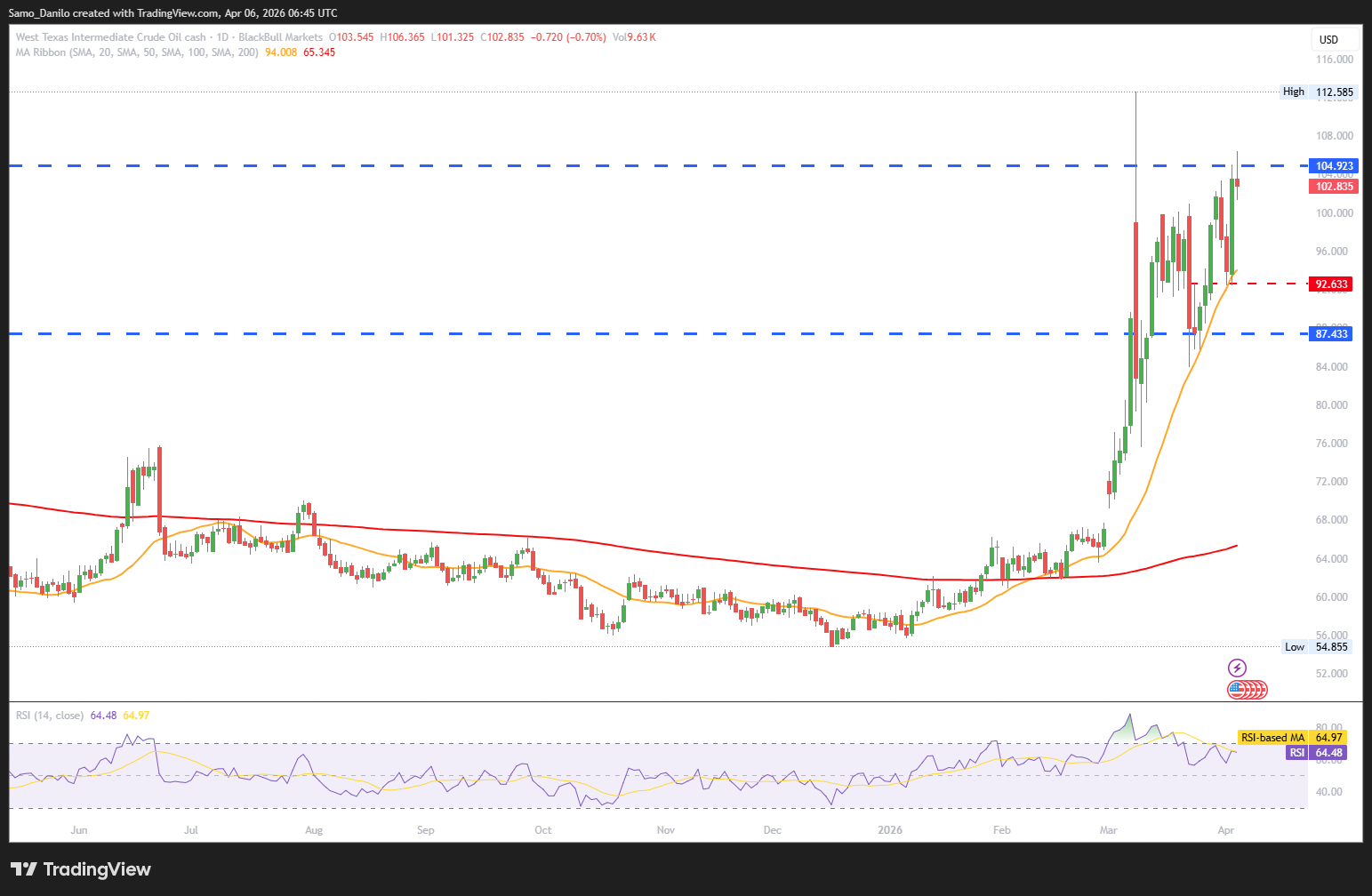
| SMA (20) | Rising |  | |
| RSI (14) | Rising | | |
| MACD (12, 26, 9) | Rising | | |
Closing statement: WTI remains firmly supported above $100, with geopolitical risks dominating, while incremental supply increases and shifting trade flows provide only limited relief to tight market conditions.
DAX
- DAX 40 Price: The DAX is trading lower near 23,200 after three consecutive days of gains. The shift highlights increasing volatility as macroeconomic concerns begin to outweigh recent optimism.
- German data: Data from the German Economy Ministry showed industrial output fell by 1.0% in April, sharply missing expectations. This points to a weak start to Q2 for Europe’s largest economy and raises concerns about growth momentum.
- Trade balance: Figures from Destatis revealed exports declined while imports rose, narrowing the trade surplus to €19.4 billion. The weaker external position reflects both softer global demand and rising import costs.
- Fed's Daly: Mary Daly noted that slower labor force growth may naturally lead to weaker job gains, without necessarily signaling economic weakness. This nuance adds complexity to global macro expectations.
- Windfall tax: German Finance Minister Lars Klingbeil is advocating for a windfall tax on energy companies’ crisis-driven profits. Such measures could weigh on corporate sentiment and equity valuations in the energy sector.
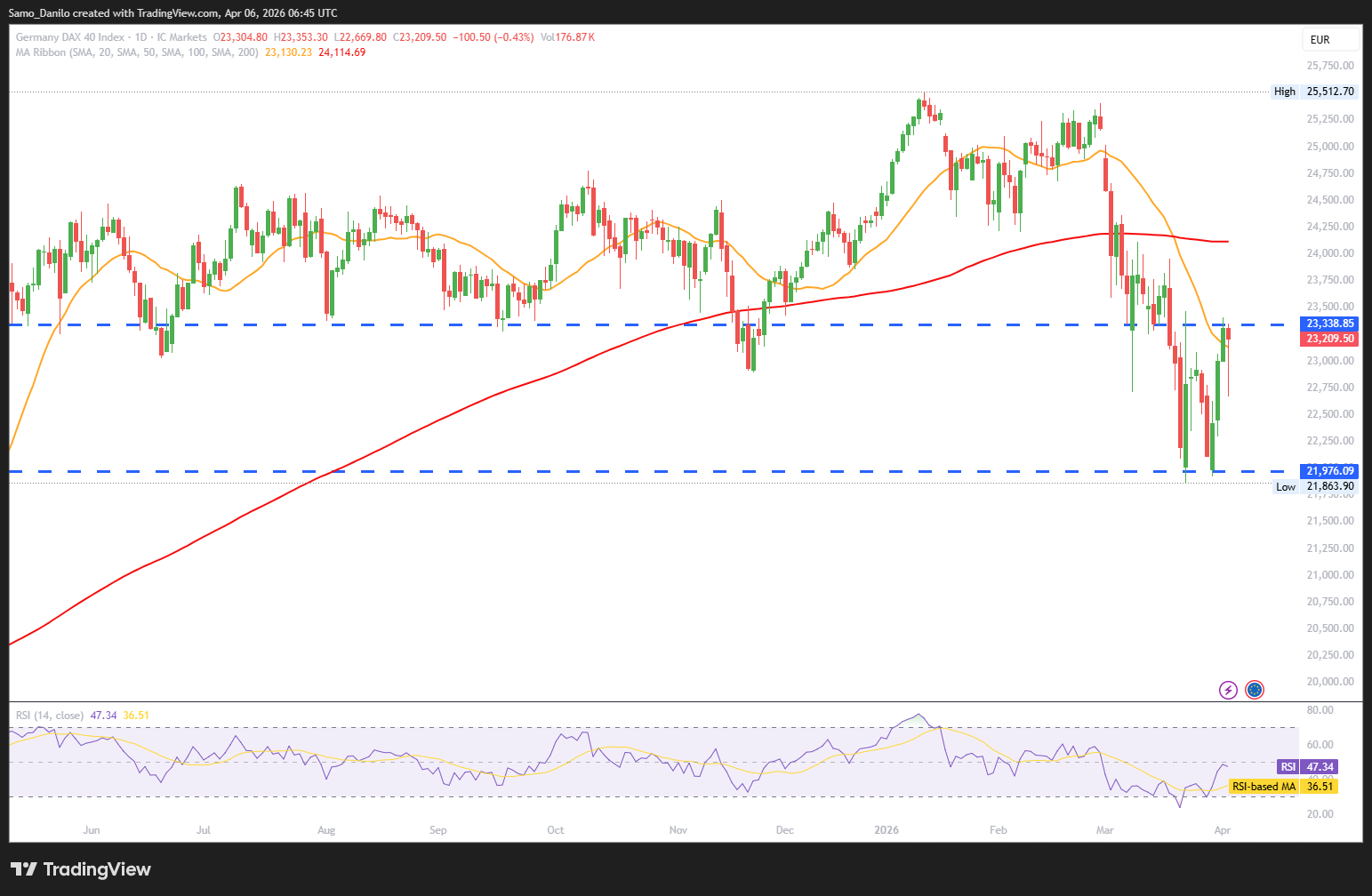
| SMA (20) | Falling | | |
| RSI (14) | Slightly Falling | |
|
| MACD (12, 26, 9) | Falling | | |
Closing statement: The DAX is under pressure as weak economic data and policy uncertainties offset recent gains, pointing to a more fragile outlook amid rising volatility.